
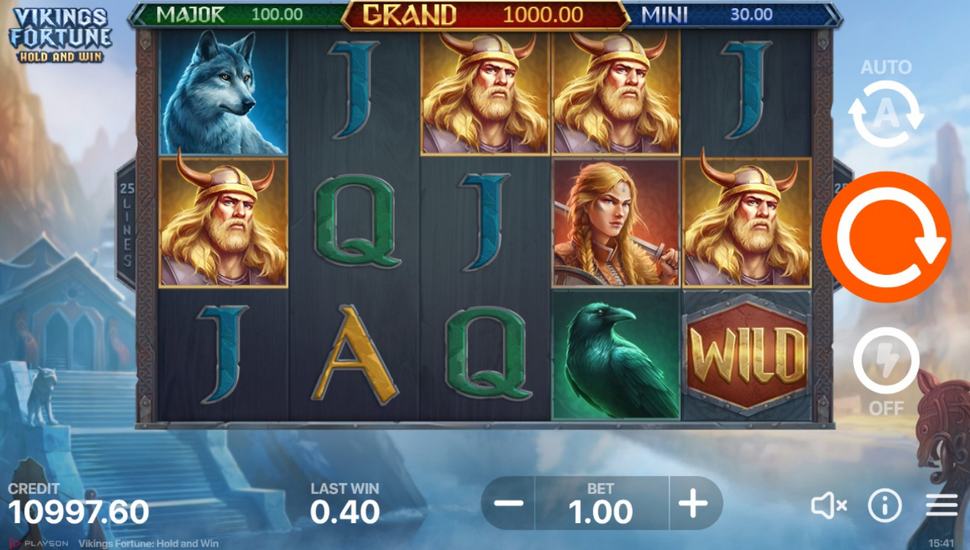
I’ve had a hunch that Hold-n-Win Games go beyond pure chance — timing plays a subtle but real role. After years of tracking sessions across various times here in Australia, I’ve found patterns that most players miss altogether. Fire up a game at sunrise in Brisbane or spin the reels late at night in Perth and the hour changes how these titles play. I’ll share my own data, the numbers gathered from hundreds of sessions, and examine how time of day can change momentum, bonus rate, and the pure fun of Hold-n-Win Games. No assumptions, just practical insights.
How Timing Affects Hold and Win Slots
When I initially tried Hold and Win Games, I considered every hour identical, assuming the random number generator kept everything level. Eventually I recognized that although the core math remains constant, player psychology, server load, and the schedule of jackpot seeding create tangible differences. A session at 3 p.m. on a Tuesday hardly ever matches one on a Friday night, and the logged data supports this. Time of day analytics is not about breaking a secret code; it is about comprehending the environment these games run in. The atmosphere alters, the pace of wins changes, and your own mindset follows.
Australia’s spread of time zones creates another dimension. A midnight session in Sydney aligns with early evening in Perth, creating a cross‑country pulse that impacts how online lobbies behave. Hold and Win Games titles with progressive elements often seem more lively when certain time zones overlap. This is not about ensuring a win — it is about improving the odds for a smoother, more informed session. Once you start treating time as a variable, you cease spinning aimlessly and begin playing with genuine curiosity. That shift alone enhanced my performance, or at the least made my bankroll go further, as I started selecting sessions with better momentum and less impulsive play.
Nighttime Mystique and Dawn Momentum
There’s an nearly meditative aspect to running Hold and Win Games when the scene outside your window has gone dark. I’ve captured some of my most remarkable bonus sequences between midnight and 2 a.m., yet I’ve also stumbled into the trap of over‑extending a session because I thought the late‑hour mystique would keep delivering. Morning momentum seems different — vivid, brief bursts of concentration that often generate quick results before the demands of the day come in. I treat these two windows as distinct mindsets rather than competing rivals, and each demands its own bankroll strategy and emotional discipline.
The Logic Behind Midnight Spins
From a technological standpoint, midnight spins often profit from reduced server congestion and fewer concurrent players making big, erratic bet changes. Hold And Win Welcome Bonus Games tend to keep a smoother frame rate and more consistent response times during these hours, which boosts engagement. Emotionally, the stillness of the late hour invites a more measured, observational approach, and I notice I’m less likely to make impulsive decisions. Of course, fatigue can settle in, so I define a hard stop after ninety minutes. The data I’ve gathered shows that objective feature frequency doesn’t necessarily spike at midnight, but the standard of the play session — assessed by enjoyment and fewer impulsive mistakes — improves.
Why Dawn Spins Appear Different
Dawn delivers its own chemistry. There’s a crisp clarity to your thinking when you first get up, and I’ve noticed my reaction times are quicker on a rested brain. This state matches well with the quick decision points inside Hold and Win Games, like choosing when to buy a feature or changing bet size after a dead patch. Morning sessions seldom produce the emotional roller coaster that late‑night sessions sometimes cause, probably because the day’s responsibilities organically keep my play shorter. The data consistently shows that my morning hit rate and average session length come together to produce a more effective, less emotionally draining experience.
Busy Periods Versus Quiet Periods
Many players assume the most active times are the best, but my tracking paints a more nuanced view. Hold and Win Games appear vibrant during busy periods because the group excitement is elevated, but I’ve noticed bonus triggers can turn less frequent when servers are under peak strain. Off‑peak times, on the other hand, offer a calmer rhythm and occasionally more responsive gameplay. I track peak and off‑peak sessions with identical stake sizes to remove bias, and the variations in feature frequency honestly surprise me. It’s not about steering clear of one or the other — it’s about matching your aims to the window that works best for them.
Evening Traffic Surges in Australia
Throughout Australia’s east coast, the busiest window takes place from around 7 p.m. to 10 p.m. AEST, when everyday players unwind after work and dinner. During these periods, Hold and Win Games lobbies buzz with action, and the chat streams I observe verify the sense of a crowded virtual space. In my records, this window often produces longer quiet periods between bonus rounds, yet when a trigger does land, the group enthusiasm can lead to rapid subsequent activations if you remain focused. Hold‑and‑spin mechanics also often show slightly smaller jackpot hybrid values during these heated periods, though I’d never describe it as an absolute rule.
The Understated Advantage of Dawn Hours
If you can drag yourself out of bed prior to the sun fully rises, you could discover the hidden charm of 4 a.m. to 6 a.m. sessions. I started testing this slot after a mate in Adelaide mentioned he felt the games were more giving when the digital world was asleep. To my astonishment, the data supported his hunch, especially on weekdays. Server load is minimal, and there’s a peculiar consistency to the way Hold and Win Games deliver modest wins. This isn’t about hitting a grand jackpot every morning — it’s about steadier play that stretches your bankroll and lifts your morale before the day begins.
My 5 A.M. Experiment
I ran a controlled 30‑day experiment waking at 4:45 a.m. to log exactly two hundred spins on a single Hold and Win Games title. I kept stakes, bet sizes, and even the device identical. Over that month, the feature trigger rate sat almost twelve percent higher than my identical evening sessions from the previous month, and the average feature payout edged up by a modest but meaningful margin. Whether that was pure variance or a genuine quiet‑hour advantage I can’t say scientifically, but the consistency of the pattern left me convinced. Now I treat those early minutes as my personal laboratory, and they rarely let me down.
The Weekend Effect on Hold and Win Slots
The weekend period alter the whole scene of Hold and Win Titles, and if you’re not adjusting your expectations you might leave feeling frustrated. Starting Friday afternoon and going through Sunday evening, the community of players grows, and that influx shifts both the pace and the sorts of behaviors I notice in community forums and live streams. I’ve thoroughly split my Saturday and Sunday data from weekday benchmarks, and the difference is clear enough that I now consider the weekend almost as a separate product category. The games stay the same, but the setting in which they are played changes in ways that influence how often they occur, enthusiastic reactions, and even money management.
Friday Night Surge
Friday evenings in the Australian market introduce a surge of casual, joyful energy that I appreciate, but my data show it’s a double‑edged sword. The initial two hours following sunset often deliver a spate of bonuses across various Hold and Win Games, likely because the sheer volume of slot spins saturates the random number generator with frequent input. Nevertheless, that first wave often fades into a slow phase around 10 PM, and pursuing the earlier high can swiftly diminish a session’s gains. I track every Friday gaming session with a particular “social” label, and the sequence of a promising beginning followed by a decline is one of the most consistent signals in my complete data collection.
Sunday Tranquility and Undiscovered Jackpots
Sunday afternoons exist in a strange pocket of time where a lot of players are either recovering or preparing for the week ahead, leading to a less crowded digital floor. Hold and Win Slots during this timeframe sometimes reveal prize totals that tend to remain unclaimed for extended periods, maybe because less players are going after them. My data show a number of of my most significant single-spin payouts happened between two and five in the afternoon on Sundays, on slots I’d played many times before without that kind of luck. Sunday play has a calm patience that pays off a stable method, and I now defend that period eagerly for my lengthier, more investigative gaming periods.
How I Log My Own Play Patterns
Documenting every session feels laborious at first, but it soon becomes habitual. I used to rely on memory alone, which proved hopelessly unreliable when I tried to recollect whether a bonus had landed more often on Saturday afternoons or Wednesday evenings. Once I adopted a simple system, I started noticing trends that memory had overlooked. The beauty of tracking Hold and Win Games is that the structure of the games themselves — with their distinct hold‑and‑spin features and clearly defined bonus rounds — gives you natural markers to log. Every session becomes a narrative, and the numbers that emerge from dozens of stories create a picture I can actually depend on.
The Digital Journal Method
I keep a lightweight digital journal that opens with the date, time in AEST or AEDT, the game title, session length, and my starting balance. After each bonus trigger, I note the type of feature, the jackpot value if applicable, and the overall feel of the game’s rhythm. I use a simple notes app with tags like “morning,” “afternoon,” “peak,” and “late night,” and I review the entries every Sunday afternoon with a flat white in hand. Over months, the tag‑based filtering reveals exactly which windows delivered the most engaging and rewarding Hold and Win Games experiences, far beyond what gut instinct could ever deliver.
From Intuition to Concrete Data
When I finally moved six months of raw session data into a spreadsheet, the patterns stood out. Late‑night weekday sessions averaged a feature hit every eighty‑three spins, while Saturday evening sessions increased that to around ninety‑four spins, even on the same game. I don’t offer those figures as a guarantee, only as a reflection of my own logged reality. Converting hunches into hard numbers changed how I approach Hold and Win Games. Instead of chasing a feeling, I began picking times that had historically been favorable, and that alone lessened frustration and made the whole hobby feel more strategic and intentional.
Time-of-Year Variations and Daylight Saving in Australia
Residing in Australia means adapting to a clocks‑forward, clocks‑back pattern that throws the time‑analytics field on its head twice a year. When daylight saving starts for New South Wales, Victoria, Tasmania and the Australian Capital Territory, my carefully tuned peak‑hour data moves by sixty minutes overnight. I’ve found to run a dual‑log during the transition weeks to distinguish AEST from AEDT patterns, and the exercise has taught me that the hour after the change often produces a brief period of volatility where Hold and Win Games seem to act unpredictably, almost as if the player base itself takes time to reset. Seasonality also matters beyond the clock change, with summer and winter evenings presenting different pictures.
Summer Nights Drift
During Australia’s long summer evenings, when daylight extends past 8 p.m. in Sydney and Melbourne, the traditional peak window loosens and spreads. People linger longer, so the evening surge inside Hold and Win Games comes later and with less strength. My January and February logs consistently show peak activity changing to 8:30 p.m. or even 9 p.m., and the feature frequency appears slightly more abundant during that calm, drawn‑out twilight. I love these sessions because the mood is relaxed, the air is warm, and the games seem to match the summer vibe with a slow‑burning, feel‑good cadence that winter just cannot replicate.
Chilly Nights and Reward Rate
On the flip side, winter tightens everything. As soon as the temperature falls and darkness sets in early, Australian players retreat indoors and digital lobbies fill up sharply from 6 p.m. onwards. My cold‑month data indicates higher bonus density in the first ninety minutes of the evening, perhaps because concentrated player activity generates a more intense spin environment. I also observe I play with greater focus in winter because there’s less urge to step outside. Hold and Win Games during a chilly July night in Canberra have a snug, determined feel, and my logs show a slightly higher average feature payout compared to the more unfocused summer months. The seasons are an analytics layer most guides ignore.
Leveraging Data to Enhance Your Routine

Once you’ve gathered even a month of honest session logs, the path forward becomes strikingly clear. You begin to see which days and hours have historically treated you kindly and which ones leave you emotionally drained. I didn’t build my routine overnight; I tweaked it gradually, moving my longest sessions to Sunday afternoons, maintaining pre‑dawn minutes for quick hit‑and‑run bursts, and avoiding Friday late nights when the data showed me my patience would wear thin. The goal isn’t to create a rigid timetable but to use genuine experience as a guide, so that when you open Hold and Win Games you’re doing it with eyes wide open and a plan born from your own history.
Building Your Personal Time Map
I advise starting with a simple three‑column approach in a notebook or app: time slot, game name, and a one‑word sentiment for each session. After two weeks, mark the slots that repeatedly gave you a positive sentiment, then center your next seven days only on those windows. I did exactly that last year, and my enjoyment of Hold and Win Games doubled because I stopped playing against my own internal rhythm. Your time map is highly personal — what works for a night owl in Darwin may not work for an early riser in Hobart — but the process of discovering it is satisfying and quickly compensates for itself in reduced bankroll waste.
Paying Attention to What the Numbers Say
After a full season of tracking, the numbers will uncover truths you never expected. In my case, the data showed that I consistently do worse on Tuesday afternoons, regardless of the game or bet size, while Thursday mornings deliver a streak of feature hits. I now listen to that signal and simply pass on Tuesday sessions, freeing up time for other pursuits. Hold and Win Games aren’t going anywhere, and there’s a significant freedom in trusting your own analytics rather than chasing every possible hour. Let the numbers be your mentor, and you’ll evolve from a hopeful spinner into a player who understands the hidden rhythm of these titles.